
Heidi's Summer Vacation: What US Hotels Can Learn from Europe
By Heidi Nielsen, Vice President of Business Development
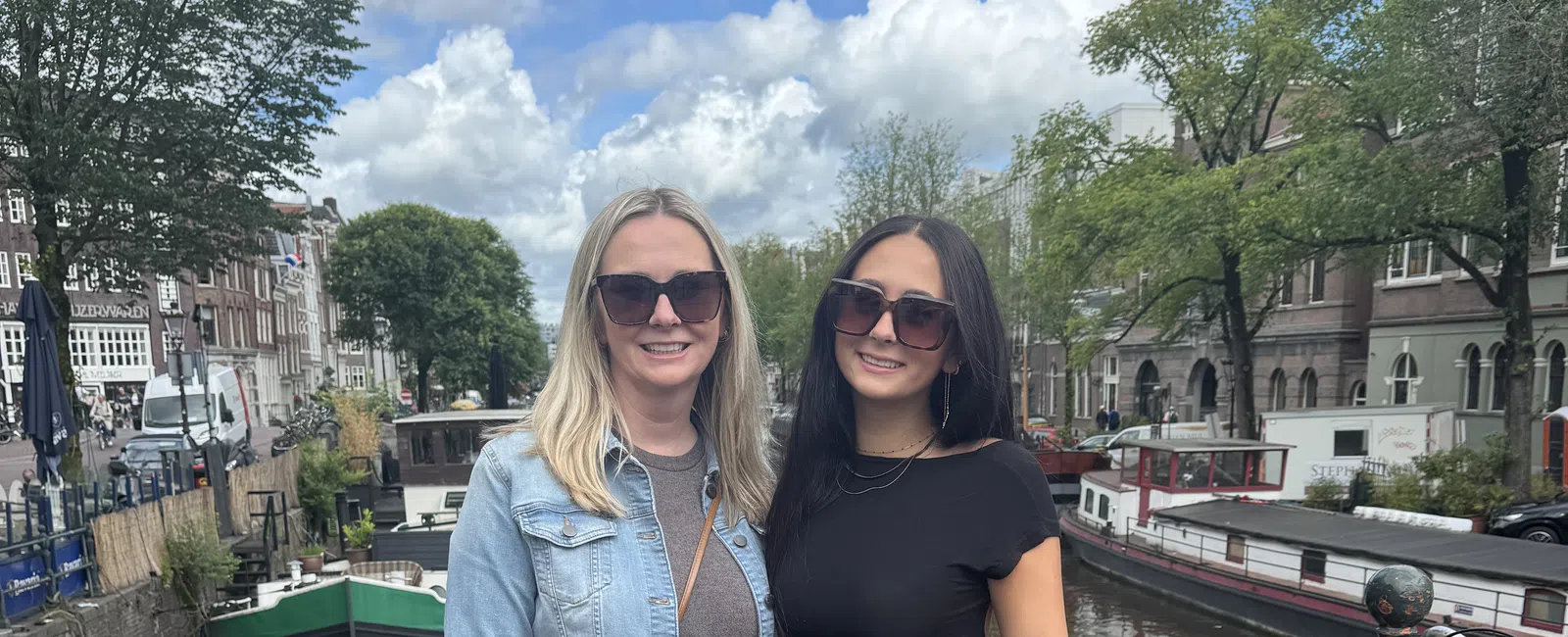
Last month, I traded market reports for cobblestone streets,
bicycles, and waterfront hotels while traveling through Copenhagen, Malmö, and
Amsterdam with my daughter to celebrate her high school graduation. It was a
trip I'll always cherish, but as someone who spends every day evaluating hotel
investments, I couldn't help viewing these destinations through a different
lens.
What struck me wasn't just the beauty of these cities; it was how intentionally they are shaping the future of hospitality. While every market has its own unique characteristics, many of the trends I observed have implications that extend well beyond Europe. They offer valuable insights into where the hotel industry may be headed and what investors should be watching in the years ahead.

1. Sustainability Has Become an Investment Strategy
In many European markets, sustainability is no longer viewed
as an amenity or marketing initiative. It is a business imperative. Hotels are
investing in energy-efficient systems, reducing waste, incorporating renewable
energy, and earning certifications that increasingly influence both travelers
and institutional investors.
Beyond the environmental benefits, these investments often
translate into lower operating costs, stronger brand positioning, and greater
long-term asset value. As environmental regulations tighten globally and
travelers become more conscious of their choices, sustainability is becoming a
competitive advantage rather than a differentiator.
2. Thoughtful Design Commands Premium Pricing
Some of the most memorable hotels I encountered weren't the
largest or most luxurious; they were the most thoughtfully designed. European
hotels have mastered the art of creating distinctive experiences through
architecture, local materials, natural light, and authentic connections to
their surroundings.
Guests today are increasingly willing to pay more for hotels
that offer character and a genuine sense of place. For owners and investors,
investing in design isn't simply about aesthetics; it's about creating pricing
power and building long-term customer loyalty.
3. Mixed-Use Developments Create Stronger Hospitality
Assets
One of the recurring themes across Copenhagen and Amsterdam
was the integration of hotels into vibrant mixed-use neighborhoods. Hotels
weren't isolated destinations; they were seamlessly connected with restaurants,
retail, residential developments, office space, and public gathering areas.
This creates a stronger ecosystem that benefits everyone
involved. Hotels enjoy consistent activity throughout the day and week, while
guests experience neighborhoods that feel authentic rather than manufactured.
Mixed-use developments also tend to diversify revenue streams and enhance
long-term property values.
4. Public Spaces Have Become Hotel Amenities
Perhaps the biggest surprise was how much the surrounding
city contributed to the guest experience. Beautiful waterfronts, walkable
streets, bike-friendly infrastructure, parks, plazas, and outdoor cafés all
function as extensions of the hotel itself.
Instead of relying solely on expensive on-site amenities,
many European hotels leverage exceptional public spaces that encourage guests
to explore the destination. This reinforces an important lesson for investors:
location has always mattered, but the quality of the surrounding urban
environment is becoming increasingly valuable in driving guest satisfaction and
demand.
5. Limited New Supply Supports Long-Term Performance
Many European cities face significant development
constraints due to historic preservation, zoning regulations, and community
priorities. While these restrictions can limit growth opportunities, they also
help protect existing hotel owners from excessive new competition.
Disciplined supply growth often leads to healthier occupancy
levels, stronger average daily rates (ADR), and more stable long-term
performance. It's a reminder that not every market needs rapid development to
be an attractive investment opportunity.
6. Efficiency Doesn't Mean Sacrificing the Guest
Experience
European hotels have become exceptionally efficient in how
they utilize space. Guest rooms may be smaller than what many U.S. travelers
expect, but they are carefully designed, highly functional, and complemented by
inviting communal areas where guests naturally gather.
This efficient use of space allows operators to maximize
revenue while still delivering a premium experience. As construction costs
continue to rise worldwide, designing smarter, not necessarily bigger, may
become one of the industry's most important competitive advantages.
Looking Ahead
Every hotel market has its own dynamics, and there is no
one-size-fits-all investment strategy. However, the themes emerging across
Copenhagen, Malmö, and Amsterdam-sustainability, intentional design,
operational efficiency, mixed-use development, and disciplined supply—are
influencing hospitality far beyond Europe.
As investors, it's easy to become focused on the performance
metrics of individual markets. But sometimes the best insights come from
stepping outside our own backyard and observing how other regions are solving
similar challenges.
This trip reminded me that innovation in hospitality isn't
always about building something bigger. Often, it's about building something
smarter.